This page will be used for organizing my ideas and research in the process of building an anvil for seated metalworking.
My immediate goal will be developing a project proposal to be able to use the metal 3D printer in the MET lab to build this thing. I am planning to attend the May 9th meeting of the Assistive Technology Club at the Lacey makerspace to connect with other folks passionate about this topic and to learn more about/get more experience with best practices.
Problem:
Metalworking and in particular forging is, in the Western tradition, an entirely standing craft. This enables movement between the forge (heat source) and anvil (primary work station) as well as various other tools (post vise, quench bucket, finishing station, grinder). While many of these workstations can be built to a size that a wheelchair user could access, the traditional design of a western anvil is difficult and potentially unsafe to use while seated. The problem this creates is in two parts: one, you must be able to stand in order to effectively transition between tools in a shared shop where standing locomotion is the default, and two, you must be able to stand for long periods of time to work effectively at all.
The concept of Universal Design refers to designing tools and spaces so that they are functional for the largest number of potential users without barriers or special assistance/intervention/adaptation. This concept is vital in a society where all people will, at some times, experience some level of disability. However the level of true disability someone *experiences* is as much a function of our environment as it is of our bodies. A huge percentage of the population has vision problems, but the accessibility of glasses, contact lenses, and corrective surgery in modern times makes this disability essentially invisible to many. Most would not consider it a disability despite needing a prosthetic device to even manage basic daily tasks like driving, reading, or cooking. Similarly, it is not considered a disability for a baby to be unable to walk–but in order for that person to be mobile, they require a mobility device piloted by another human. If that human user lacks the physical strength to use an on-body carrier, then they will face similar restrictions to a wheelchair user as they try to navigate streets, sidewalks, stores, and vehicles with a stroller or carriage. Essentially, solving a problem through engineering (glasses, strollers, ramps) can’t give someone back their sight or make them able to walk, but it makes those physical problems into non-barriers.
I have had the privilege only once of working in a metalworking space designed around access, in Albuquerque, New Mexico. The woman operating it, Alice, had lost her ability to stand or walk in a car crash in middle age. She decided to take up metal fabrication, but quickly realized there was no such thing as an accessible space for her, so she built one for herself. There were few existing solutions, so she had to make her own solutions. All the equipment was on wheels, and all seating was low, rolling stools. The fabrication stations, constructed herself, were made for a seated working position. Even though she regained some mobility, rebuilding muscle endurance is a long process, and everything she had done to make her workspace accessible as a wheelchair user was also very important as someone in recovery with a physical disability. This space was also, as someone 5’3″, the most safe and accessible shop I have worked in over my 21 years as a metalworker. The principle of Universal Design holds true, in that creating a space that was accessible for disabled users also creates broader access for more able-bodied people.
The typical shop space, with workstations designed to use standing, is exclusionary towards people of different heights, ages, and mobility levels. Not only is that an injustice to those individuals, but it is a loss to us as a society, when workers, artists, and inventors are not able to contribute to our collective wealth of culture, technology, and community. No one should be excluded from finding community around a craft they love, excluded from work in which they thrive, or excluded from the pleasure of creation with their bodies because they have gotten a little older or more tired or because their body shape is too different from the average.
As-is, forging is a craft that requires careful attention to ergonomics. Incorrect positioning and tool usage can easily cause injuries. Classrooms typically have anvils set at numerous heights to accommodate students of different starting heights. My hypothesis is that a seated workstation could reduce or eliminate the need for height-adjusted anvils, replacing them with adjustable seating if needed, and allow more users to forge more safely, and for longer. This project is named for the Roman god Vulcan, Greek god Hephaestus, the smith of gods and heroes, and a disabled man who built his own mobility aids–metal automatons who helped him walk, pumped the bellows of his forge, and served as guardians. I think there is a beautiful symmetry in attempting to return this craft to a more accessible working modality. I also have viewed metalworking stations in other countries through video content that demonstrates the modern Western mode of standing metalworking is the exception, not the rule. I hope to research more of these methods to draw design inspiration from the tried-and-true ergonomic setups of various craftspeople.
Parameters:
A successful design will allow any seated person, particularly using a wheelchair, to forge hot metal repeatedly over an extended period of time (4+ hours, with breaks)
Design restrictions:
Goals:
Research Topics:
- Ergonomics
- Seated metalworking in var. (non-western) cultural traditions
- Universal Design
- Paralympian Design
- Disabled artists in current practice
Research
Ferrous metallurgy – Wikipedia
Timeline of materials technology – Wikipedia–according to this, it seems that the oldest known ferric metallurgy and steel production was in India, which might be a good research zone
Archaeometallurgy in Global Perspective: Methods and Syntheses | Springer Nature Link–consult with library to see if we have institutional access to texts
Category:Disability – Wikipedia
Metal – Instructables–basically the only requirement is that the project needs to incorporate metal in some way, and there is an additional prize available for the best use of autodesk software in the project.
From the LMS assistive technology club website: “Assistive Technology (AT) encompasses a wide range of tools, from low-tech items like pencil grips to high-tech devices like screen readers. AT is technology used by individuals with disabilities in order to perform functions that might otherwise be difficult or impossible.
- If interested, please explore the following resources:
- WATAP.org
- MakersMakingChange.com
- https://www.huskyadapt.me.uw.edu/“
REBA: The Rapid Entire Body Assessment – Comprehensive Overview–has a free 1 week trial
A Step-by-Step Guide to the REBA Assessment Tool–guide to how to use the REBA tool in a more manual way–maybe a way to assess existing examples from video?
QuickPose.ai – AI Pose Estimation Solutions–detects movement using any camera, seems to mostly be a tool for app developers to use
Process Simulate Human–siemens technology, don’t have current access but might in the next couple weeks, used for advanced simulation of human movements
Metal Composites – Shop Metal Composites Online | Protoplant, makers of Protopasta–can possibly prototype in an FDM printer–enough to possibly stress test?–*Public Copy* Getting started – Quick prints for a better 3D Printing experience
Protopasta is local–take a tour? (vancouver wa) Our Story – Protoplant, makers of Protopasta
posture research
From https://www.youtube.com/watch?v=FPxzNEL8nzk:
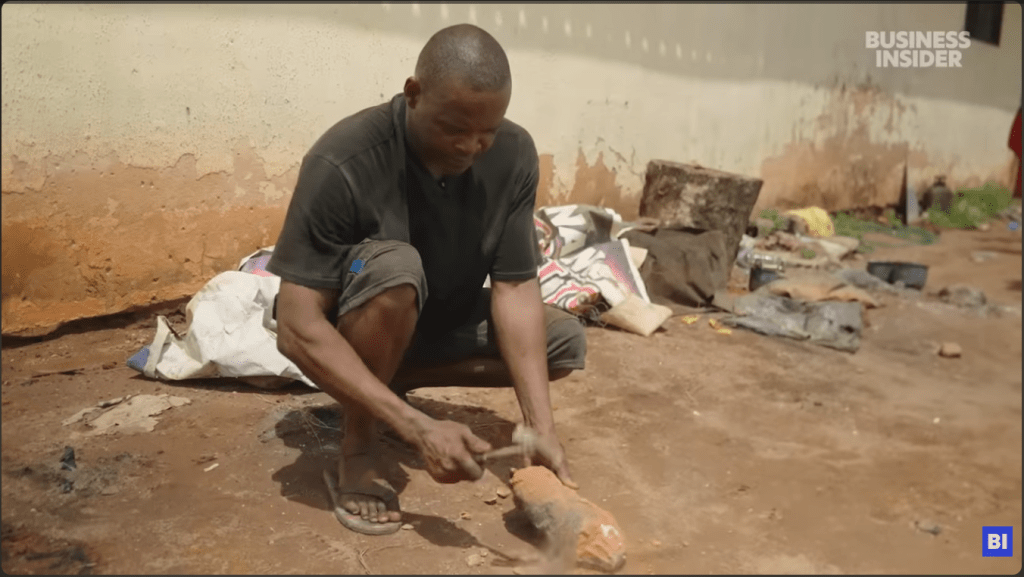
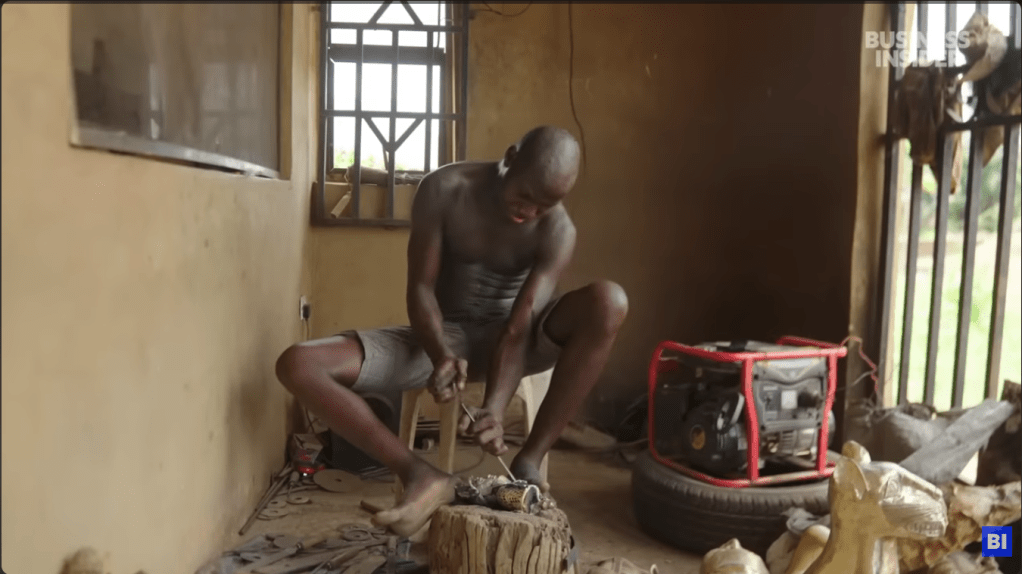
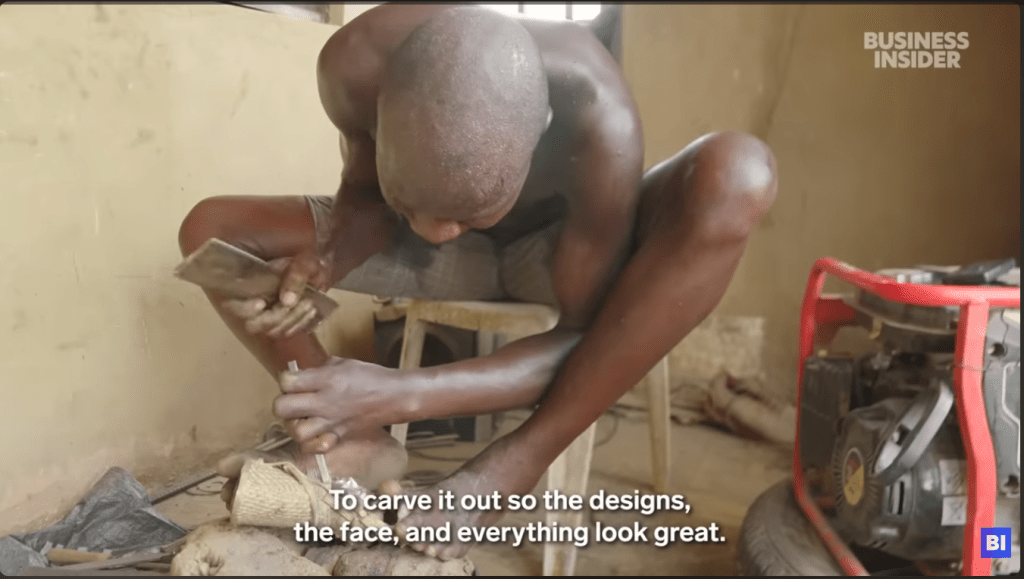
From https://www.youtube.com/watch?v=NMFaPZAFgUU&list=PLmur3Z0Afau6t-ab7uUZZnAtWZuLyMW9r&index=85
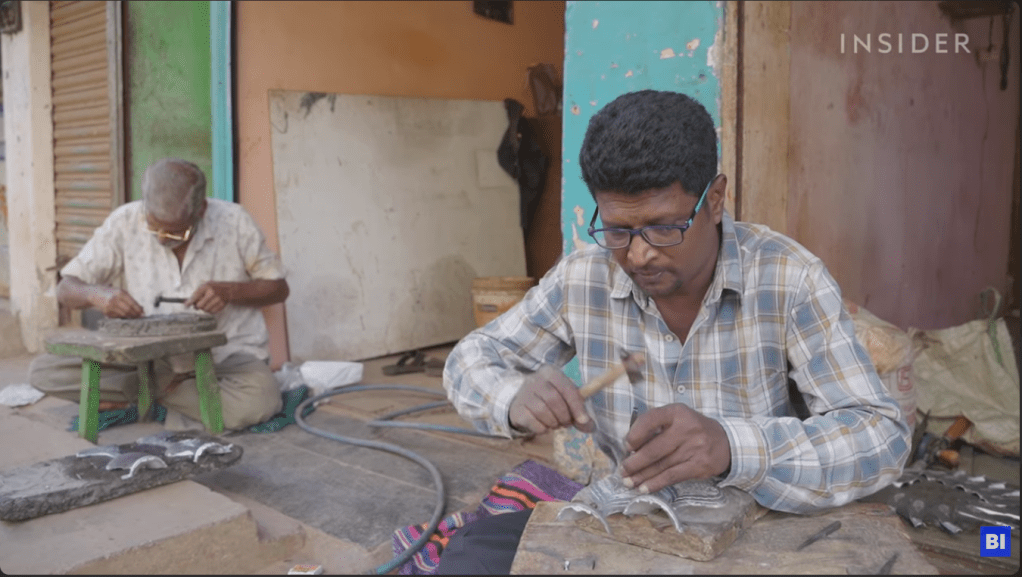
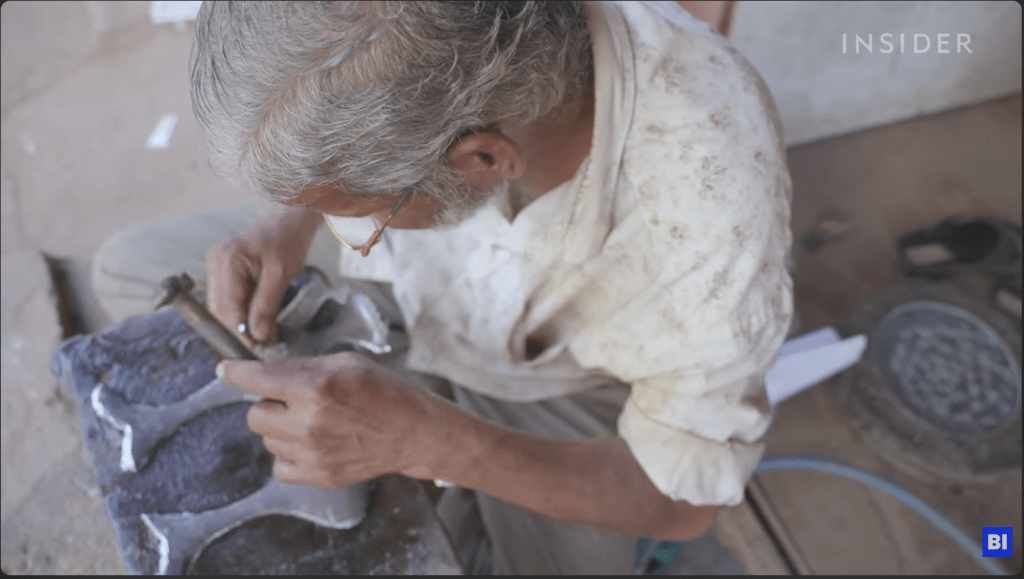
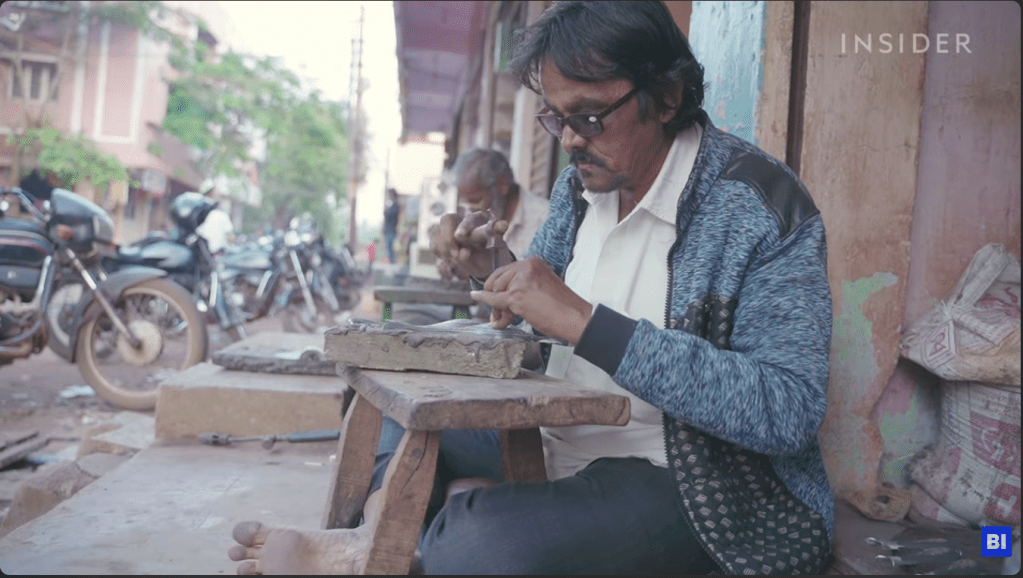
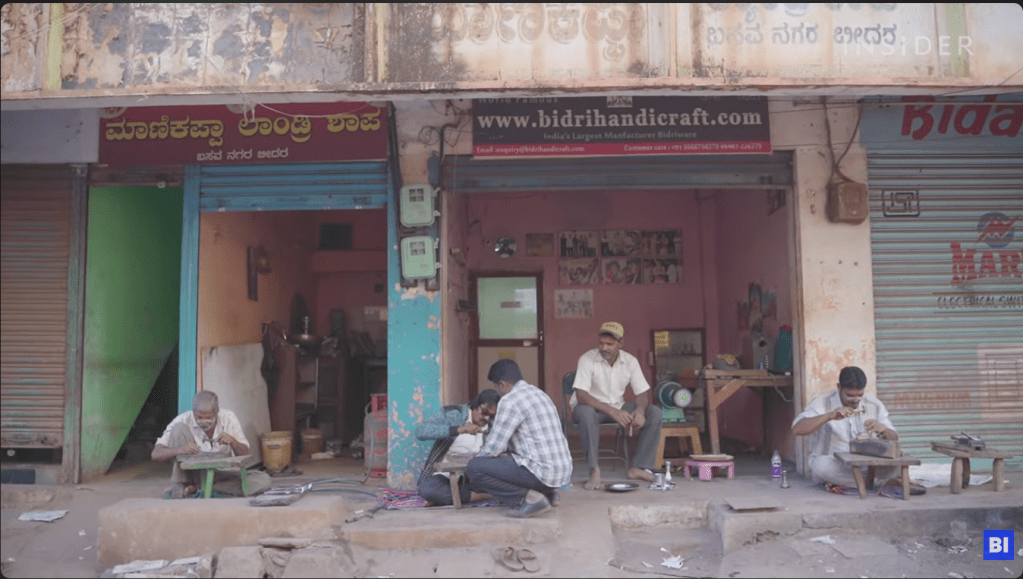
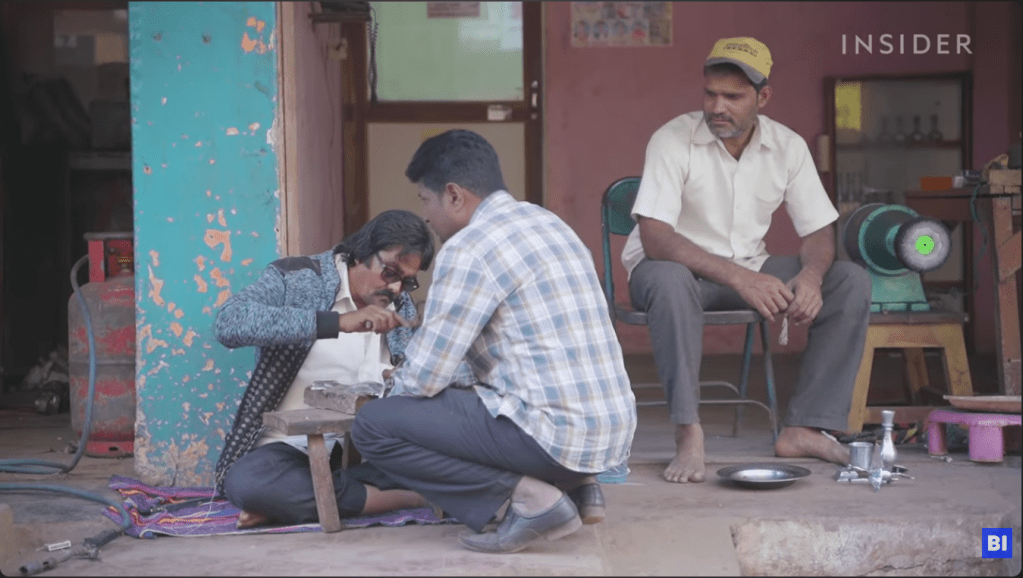
From https://www.youtube.com/watch?v=KUK5AlinXEY&list=PLmur3Z0Afau6t-ab7uUZZnAtWZuLyMW9r&index=37
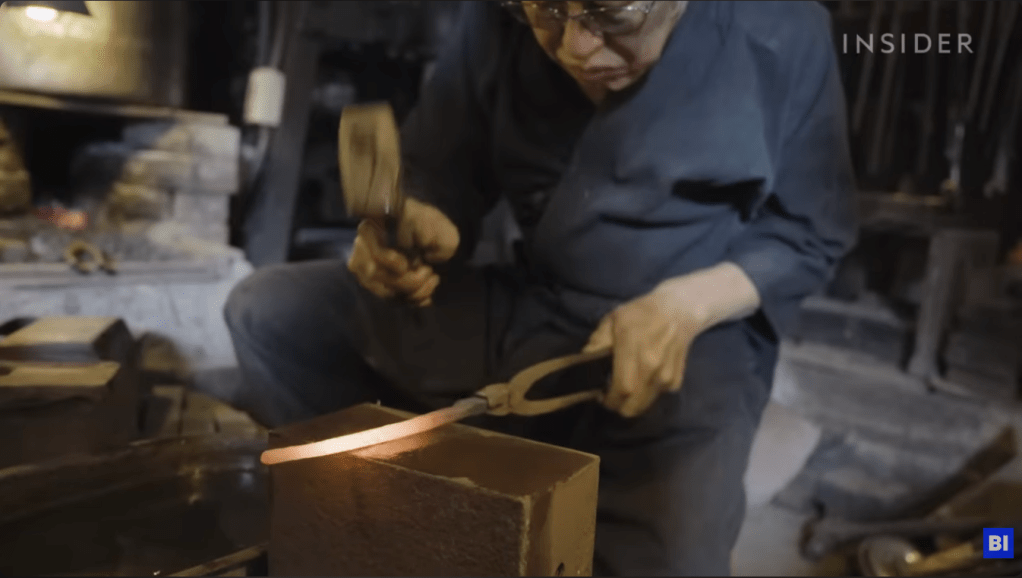
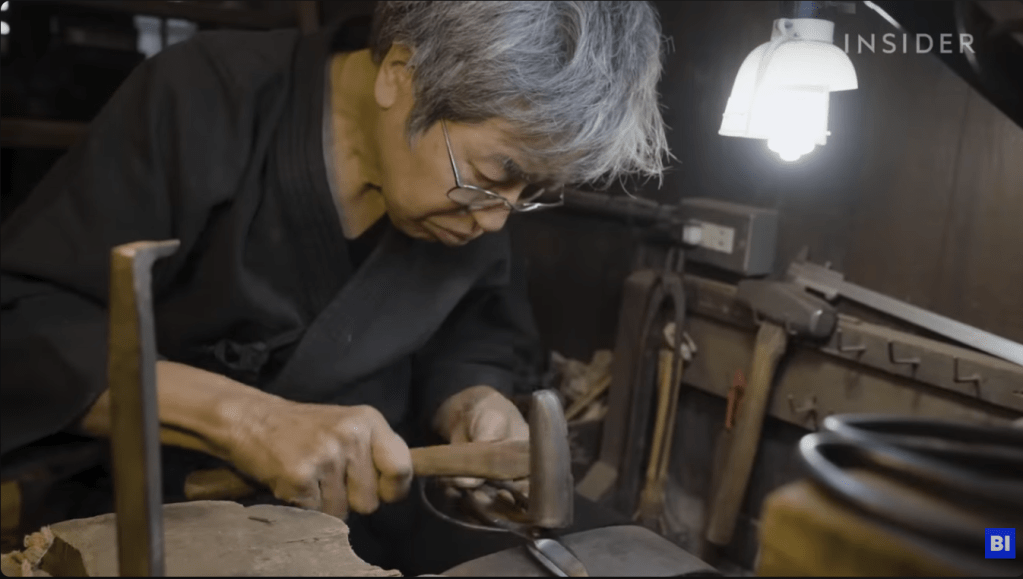
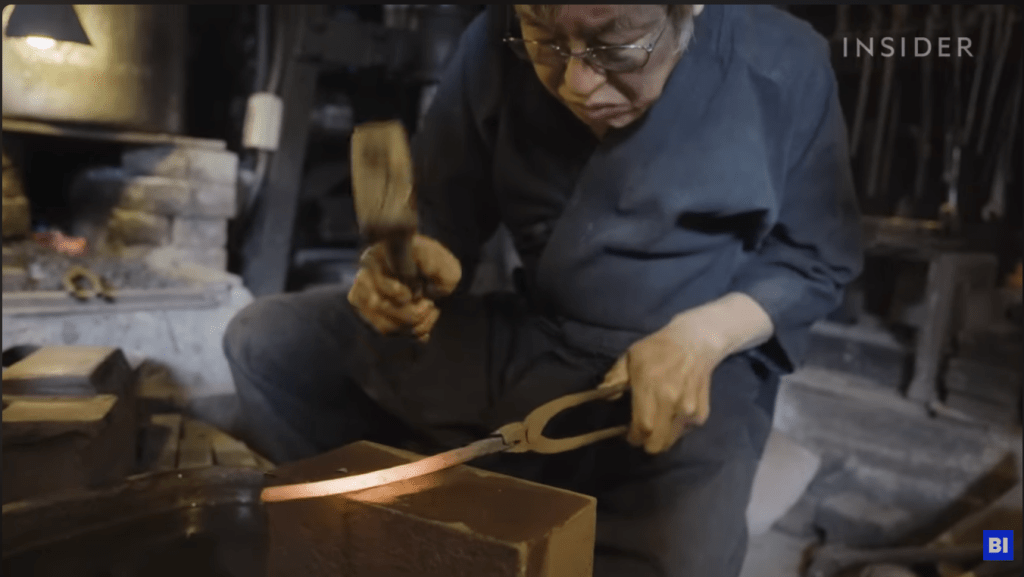
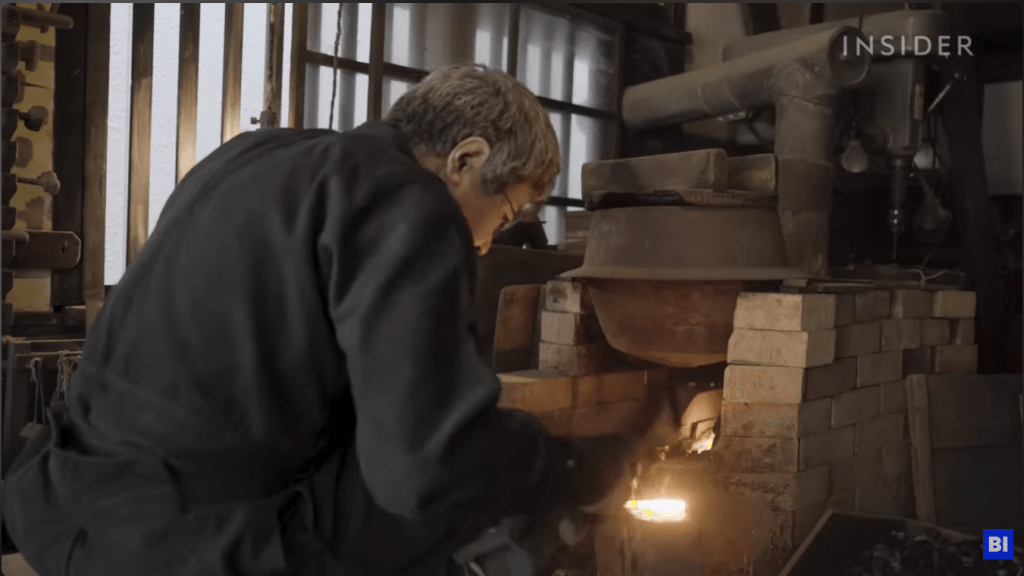
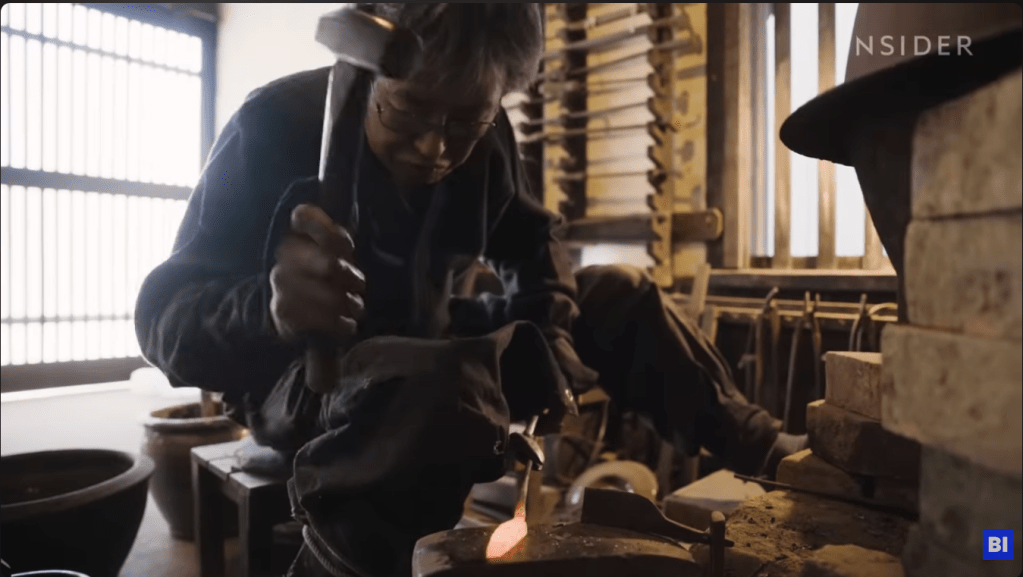
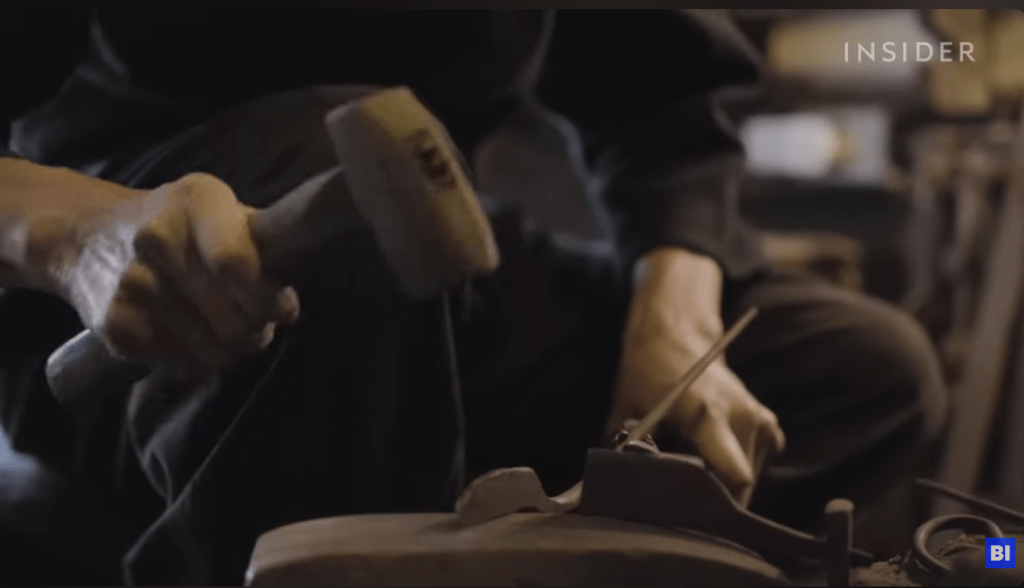
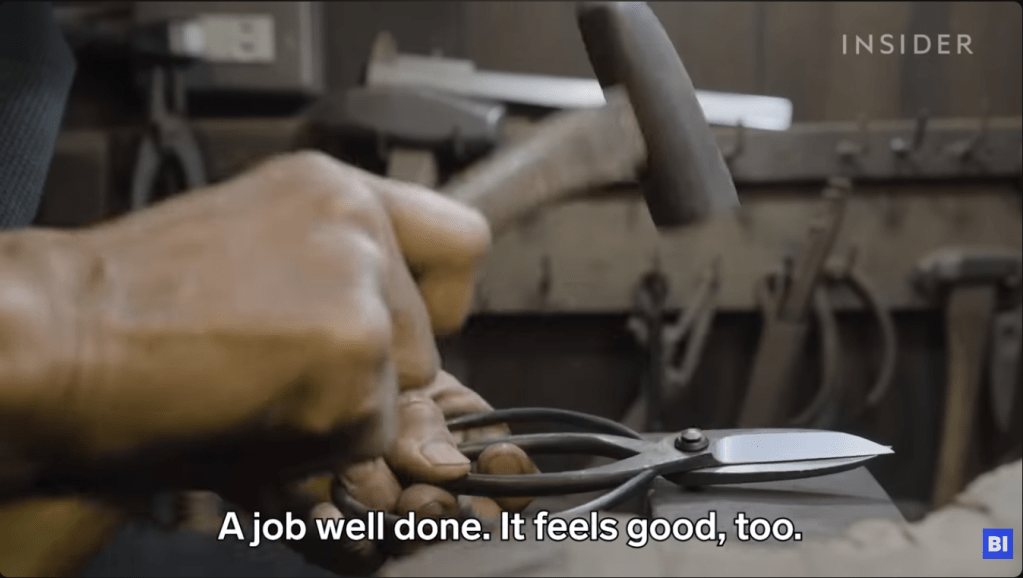
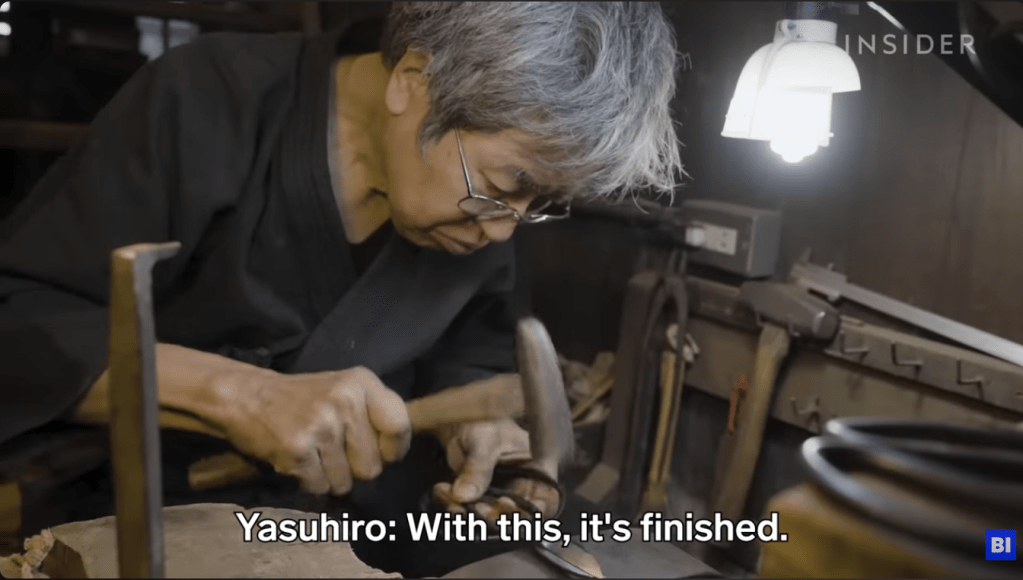
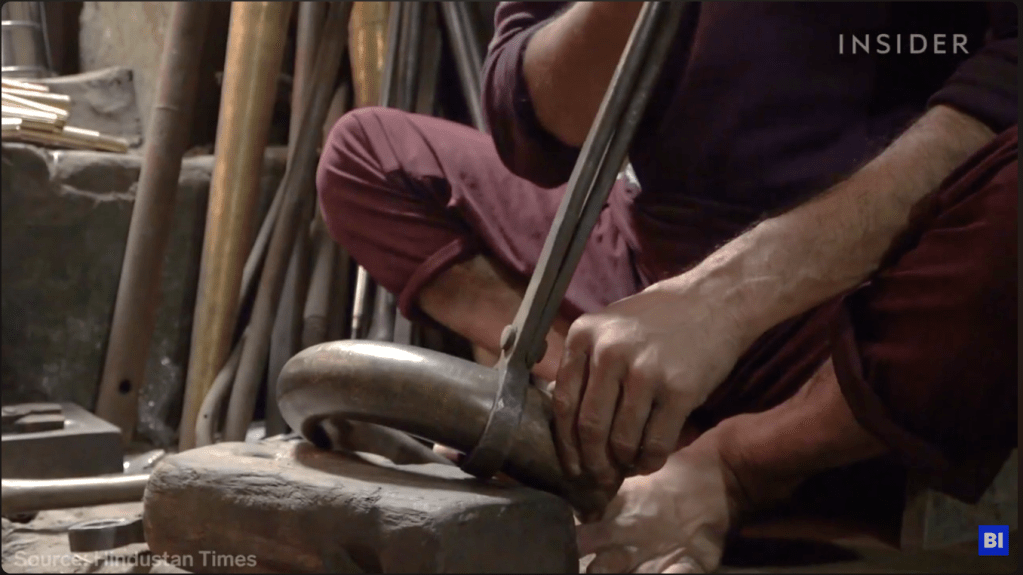
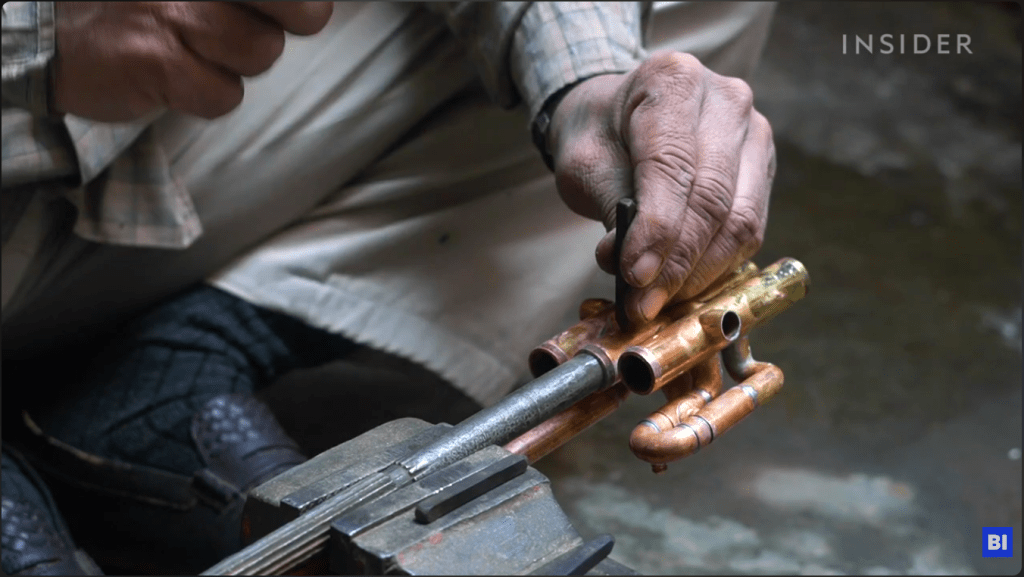
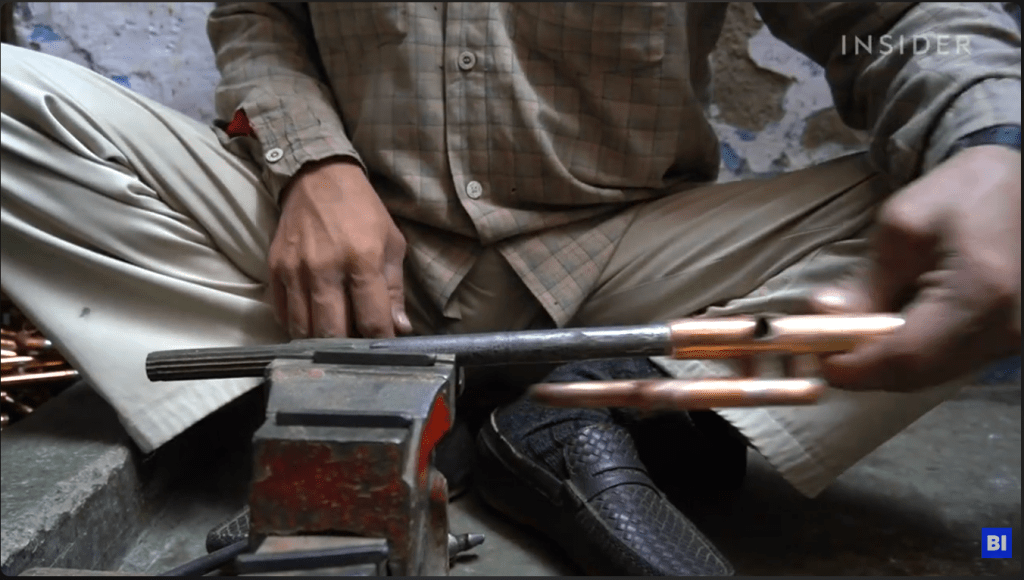
From: https://www.youtube.com/watch?v=iztEcBMFcjA&list=PLmur3Z0Afau4wSl9By0h8qIgOBbN9Zmhd&index=87
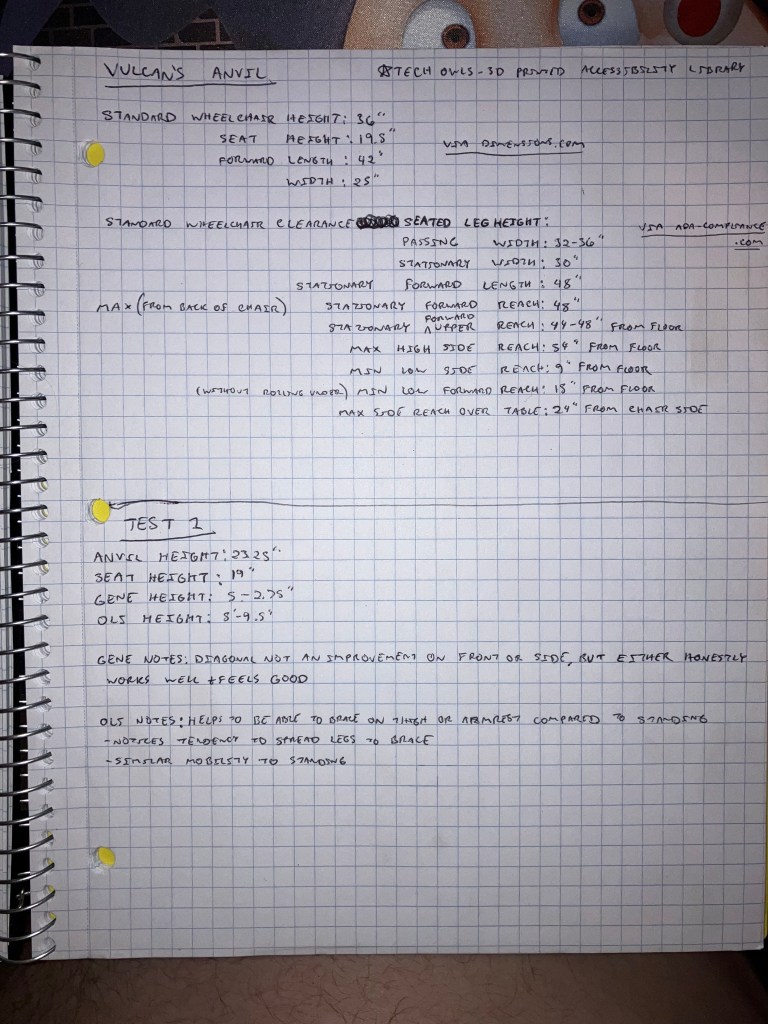
IRL height testing, test 1, 5/10/26
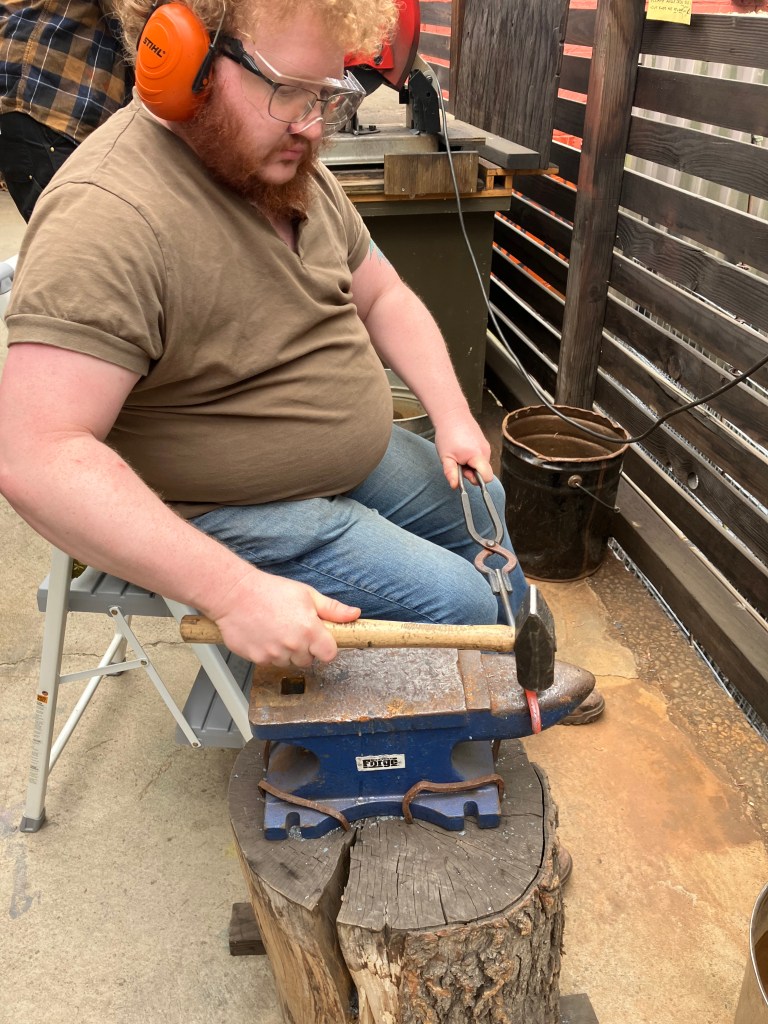
Some research I did of parameters to inform the setup, plus notes from the practical test I conducted at Coyote Central with the assistance of my students and my teaching assistant, Oli. As you can see from the notes, the seat height (19″) was relatively similar to the average seat height of a wheelchair, and there is a roughly 7″ height difference between me and Oli. The anvil height of 23.25″ is within the ADA parameters allowed for both side and forward reach for a wheelchair user, and allowed the correct neutral wrist position for us both while forging.
Photos for ergonomic analysis of me working with the anvil in multiple positions
Photos for ergonomic analysis of my assistant Oli, same position relative to anvil throughout.
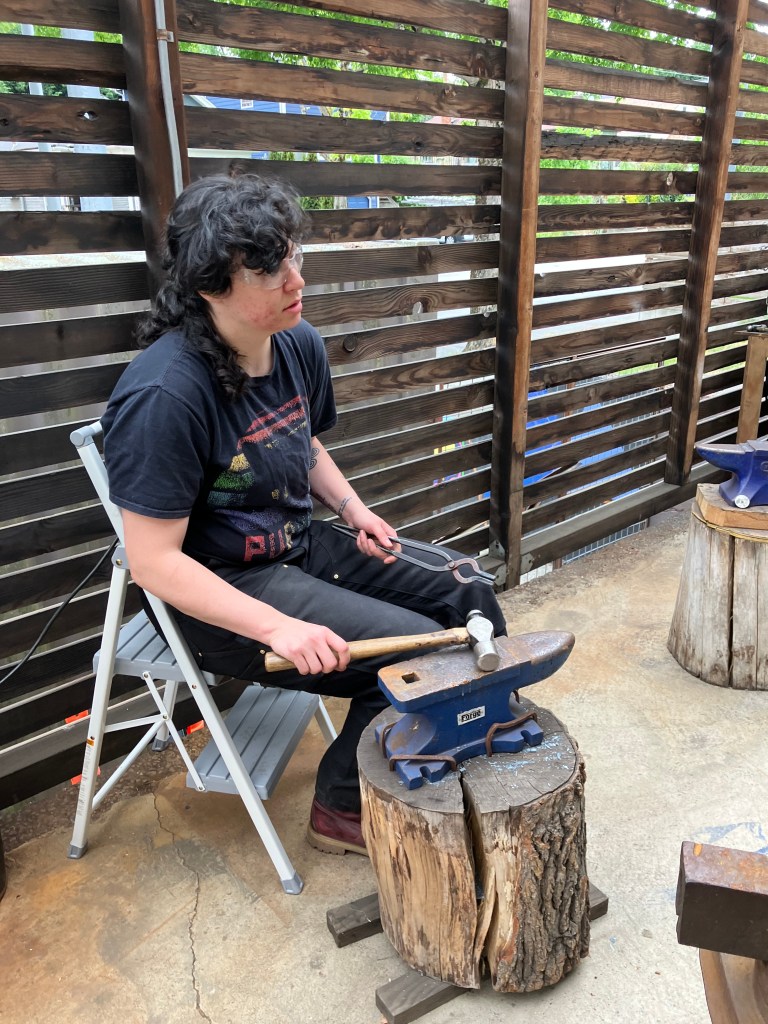
I also tested the next-highest anvil, about 1.5-2″ taller, and it was definitely a less comfortable forging angle. I am pleased that this is, so far, aligning with what I have also seen in the videos of non-western and multi-generational forging spaces I have watched videos of, with screenshots above. I am seeing some strong evidence for seated forging to be just as good if not better than standing to forge.
I was also glad to see that the reach off the center of body mass is not uncomfortable, so it is not unrealistic to have a massive structure offcenter of the body to either the front or side for forging, which helps avoid the concern I had for an over-lap configuration not allowing good transfer of force to the base and floor.
When looking at what are the obstacles for a wheelchair user, I am seeing several.
- One, if I did not have an anvil ergonomically sized for children, every anvil would be too high–in a typical forge like the one at Pratt, there would be no anvil low enough.
- Two, open paths between multiple work areas (forge, anvil, vise, quenching bucket, tool storage, cleaning and waxing station) are impossible to navigate without at least doubling the workspace allowed for people able to stand and walk–just adding a single stool created navigation complications in the area we have.
- Three, the mounting of the anvil created more space between the user and the work surface. Anvils are generally very top heavy, so bases are typically significantly wider in order to keep it balanced while transferring forces to the ground. Whenever possible I go for a mount into solid wood to help manage repetitive noise and for some ease of leveling.
- Four, the horizontal surface of the legs while seating creates a possible landing area for firescale, which is always less of a risk in touching and more of a risk in staying on you. Considering some wheelchair users also lack feeling in their legs, this may create a serious hazard. I think it’s one easily solved by an apron, but it is worth thinking about. Typical leather aprons are not meant to be worn seating often—they will bunch up, and also need to be tied in the back, which is a potential mobility issue. It is interesting to consider whether a snap-in leather apron could be incorporated into the design. A sharp edge of the anvil can also be incorporated for intentionally scraping off scale.
- Five, handedness is very important to consider depending on the angle of approach.
- Six, anvils are meant to be used in all directions depending on need, which means a much wider area to navigate all around the tool. If we want to specify the area of approach, that means maximizing the configuration of that work area to manage different operations.
- Seven, when moving between forge and anvil, a forge set to an accessible height for a standing person (typically around hip to abdomen level) is face-height for a seated person, which is not ideal.

